
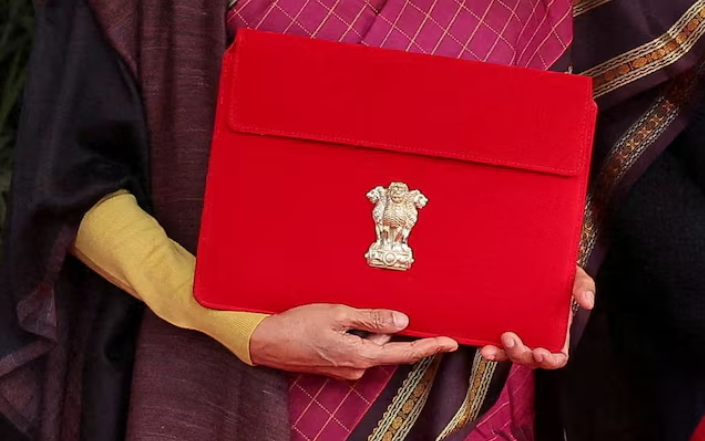

India’s federal government has decided to maintain the share of tax revenue distributed to state governments at 41% for the five-year period from 2026 to 2031, Finance Minister Nirmala Sitharaman announced in the 2026–27 Union Budget presentation in Parliament on February 1, 2026.
The 41% share in the divisible pool of central taxes — which includes major levies like income tax, corporate tax, customs and excise duties, and GST — remains unchanged from the previous five-year period, a level that was adjusted earlier to account for the reorganisation of Jammu and Kashmir.
As part of the budget, the Centre has allocated about ₹1.4 trillion ($15.27 billion) to states for the fiscal year 2026-27 as Finance Commission grants, Sitharaman said.
The decision follows the recommendations of the Sixteenth Finance Commission, chaired by Arvind Panagariya, which submitted its report to the President in November 2025 after consultations with all states and Union Territories. Many states had pushed for a higher share, with 22 out of 28 requesting an increase to 50%.
Some state leaders, including Karnataka’s Chief Minister Siddaramaiah, expressed disappointment, saying the unchanged rate does not reflect growing fiscal responsibilities of states. Officials from other states also voiced expectations for a larger share, particularly given rising expenditure needs.
Although the 41% devolution rate remains fixed, states’ effective share of overall tax revenues has declined over time as the federal government increasingly raises funds through cesses and surcharges, which are not shared with states.
The Finance Commission also recommended retaining a 3% deficit cap relative to gross state domestic product for states and did not include revenue-deficit or state-specific grants, arguing that such aids weaken incentives for fiscal reforms.


Leave A Comment