
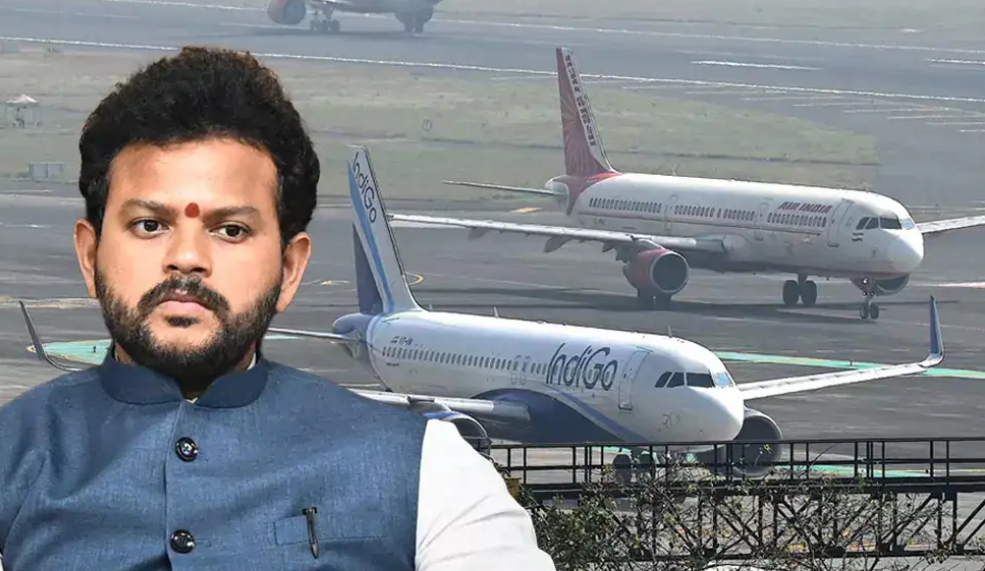

India’s aviation sector endured a turbulent 2025 marked by a series of crises that left travellers and the government struggling to respond effectively, exposing structural weaknesses in the system after an early period of strong recovery driven by high travel demand during the Mahakumbh festival.
The year began positively as airlines experienced a record surge in passenger traffic with packed flights to destinations like Srinagar. However, this momentum was soon disrupted by the Pahalgam massacre in April, which deterred tourists and strained airline operations in the northern region. Subsequent geopolitical tensions with Pakistan forced airlines such as Air India and IndiGo to reroute flights over the Arabian Sea, increasing operational costs and reducing bookings.
A defining low point came in June when an Air India Boeing 787 Dreamliner crashed shortly after takeoff from Ahmedabad, rekindling fear of flying among passengers and significantly denting confidence in air travel. This tragedy, which dominated headlines and passenger sentiment, underscored safety concerns and contributed to a slowdown in bookings across carriers.
Later in the year, India’s largest airline by market share, IndiGo, experienced one of the most severe operational breakdowns in recent history. Starting in early December, the airline cancelled and delayed thousands of flights as it grappled with crew shortages exacerbated by stricter flight duty time limitations (FDTL) introduced by the aviation regulator, coupled with peak travel demand, weather disruptions, and scheduling challenges. Passengers were stranded across major airports, prompting widespread frustration and unprecedented pressure on airline staff and infrastructure.
The fallout from these events put the civil aviation ministry and the Directorate General of Civil Aviation (DGCA) in the spotlight, with critics arguing that regulators were reactive rather than proactive in managing the crises. Efforts to stabilise operations included exemptions and revised schedules, but many passengers felt underserved and helpless amid prolonged disruptions
Ultimately, 2025 will be remembered in India’s aviation history for how a sector once riding high on travel demand was brought to its knees by a combination of tragedy, operational failures, regulatory challenges, and broader geopolitical headwinds — leaving both travellers and policymakers grappling with the consequences.


Leave A Comment