

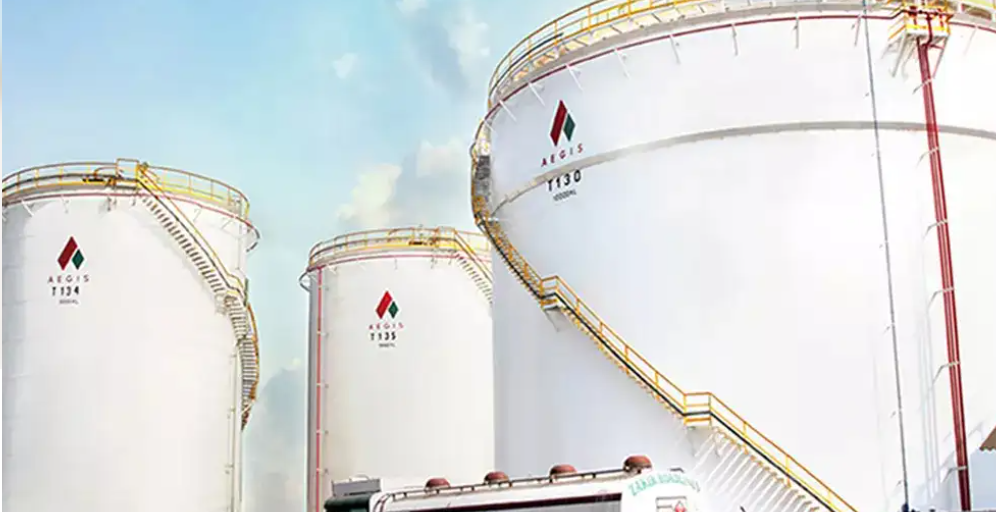
Aegis Vopak Terminals Limited — the largest third-party operator of tank-storage terminals for LPG and liquid products in India — is rapidly ramping up its capacity to meet rising demand.
📦 What’s Changing
- Aegis Vopak has laid out a capital-expenditure plan of US $1.2 billion to expand storage capacity across six major ports.
- A key part of its infrastructure push is to connect its ports/terminals with LPG pipelines — which would make distribution more efficient and reduce logistical bottlenecks.
🔍 Why This Expansion Matters
- LPG consumption in India has soared in recent years: total LPG connections have jumped from about 14 crore (before 2014) to over 33 crore now.
- Despite rising demand, storage infrastructure has been stretched. Recent analysis from the energy-sector suggests that India’s existing LPG storage (on-ground tanks + underground/cavern storage) provides only about 21.5 days of supply cover.
- The planned expansion (tanks + underground caverns) aims to raise storage capacity — to provide a cushion against supply disruptions, price volatility (especially of imported LPG), and to improve energy-security resilience.
🎯 What It Means for Consumers & Energy Market
- Better storage + pipeline connectivity can improve supply reliability: fewer shortages, smoother supply even during import/logistics disruptions.
- Could help stabilise distribution costs and, over time, reduce supply-side inefficiencies and losses.
- Infrastructure buildup means the LPG supply chain is beginning to match the scale of demand — especially important as India continues to expand LPG access and consumption across rural and urban areas.