

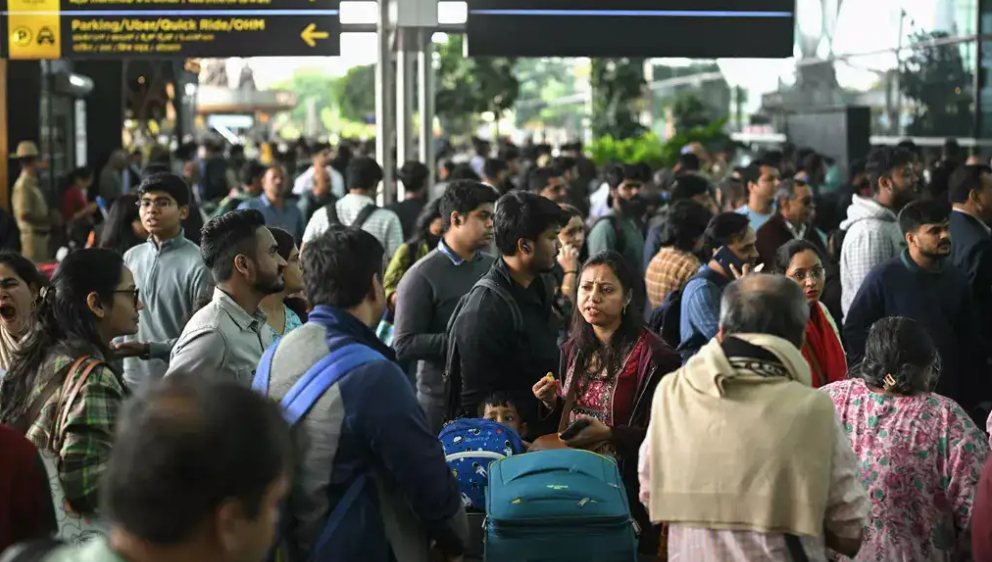
Indira Directorate General of Civil Aviation (DGCA)’s stricter duty-time rules for pilots exposed structural weaknesses at IndiGo, which many analysts say stem from overconfidence, lean staffing and an over-reliance on its market dominance — warnings that were ignored until now.
🔎 What Went Wrong
- Over the past few years, IndiGo — flush with profits and dominating a large share of India’s domestic air market — appears to have assumed its size and influence provided a buffer against regulatory and operational shocks.
- When the new Flight Duty Time Limitation (FDTL) norms came into force, the airline’s “lean-crew, high-utilisation” model collapsed. With insufficient pilots rostered, and limited spare capacity, even a modest disruption quickly spiraled into widespread cancellations.
- On top of that, technical glitches and roster mismanagement compounded the problem — and with key leadership away, communication failures and breakdown of contingency planning meant the airline was unable to handle the crisis.
🚨 What That Means for Airlines & Passengers
- The crisis at IndiGo shows that being a big player doesn’t guarantee resilience: over-reliance on past dominance or “clout” can backfire when real operational stress hits.
- For passengers, this means even trusted airlines aren’t immune to disruptions — leading to cancellations, re-bookings, refund hassles, and a complete breakdown of reliability.
- For the broader aviation industry and regulators, this episode highlights the need for stricter oversight of crew-rosters, realistic staffing norms, and contingency planning — especially when a single airline commands a huge market share.