

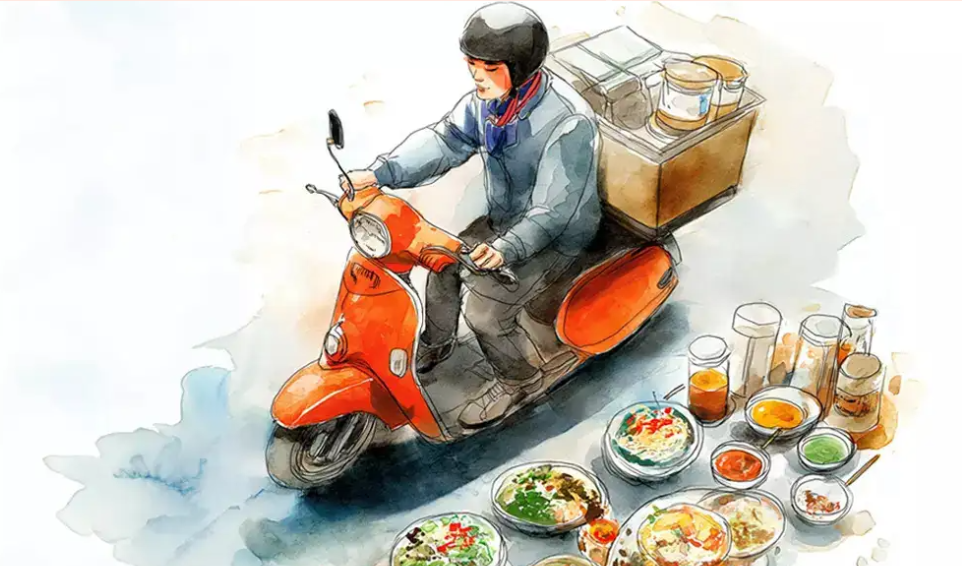
In India’s fast-evolving food ecosystem, the rules of engagement between quick-service restaurant (QSR) giants and digital delivery platforms have shifted dramatically. Once considered complementary channels, food delivery apps like Zomato and Swiggy are increasingly reshaping demand patterns in ways that challenge the traditional strengths of brand names such as McDonald’s and Domino’s.
Zomato’s rapid expansion has been nothing short of remarkable. From a few tens of thousands of active restaurant partners just a few years ago, the platform now lists well over 2.7 lakh restaurants, a universe vastly larger than the physical footprint of branded QSR chains. By contrast, established operators such as Domino’s India and McDonald’s India run only a few thousand stores between them. This massive scale gives consumers an enormous range of choices at their fingertips, weakening the relative share of orders going to specific branded outlets.
This broad offering has tangible consequences. Research and market commentary indicate that average daily sales and growth momentum for listed QSR companies have stagnated as customers increasingly turn to food-delivery platforms for diverse and convenient choices. With Zomato and Swiggy aggregating demand, the power in the relationship has tilted away from physical store dominance toward the platforms that control digital access to customers.
For the QSR brands themselves, this structural change brings mixed outcomes. On the one hand, delivery partnerships help maintain order volumes, especially in urban markets where dine-in traffic has softened. On the other hand, heavy reliance on third-party platforms compresses margins and fragments sales across a wide range of competitors listed on the same apps. Large players like Jubilant FoodWorks, which operates the Domino’s Pizza chain, have at times expressed concern about high commissions and the impact on profitability.
In essence, Zomato is not just delivering burgers and pizzas — it is redefining how customers discover, choose, and order food. As delivery platforms broaden their restaurant ecosystems and refine loyalty and recommendation tools, traditional QSR chains must adapt their strategies or risk losing share in one of the world’s fastest-growing online food markets.


