

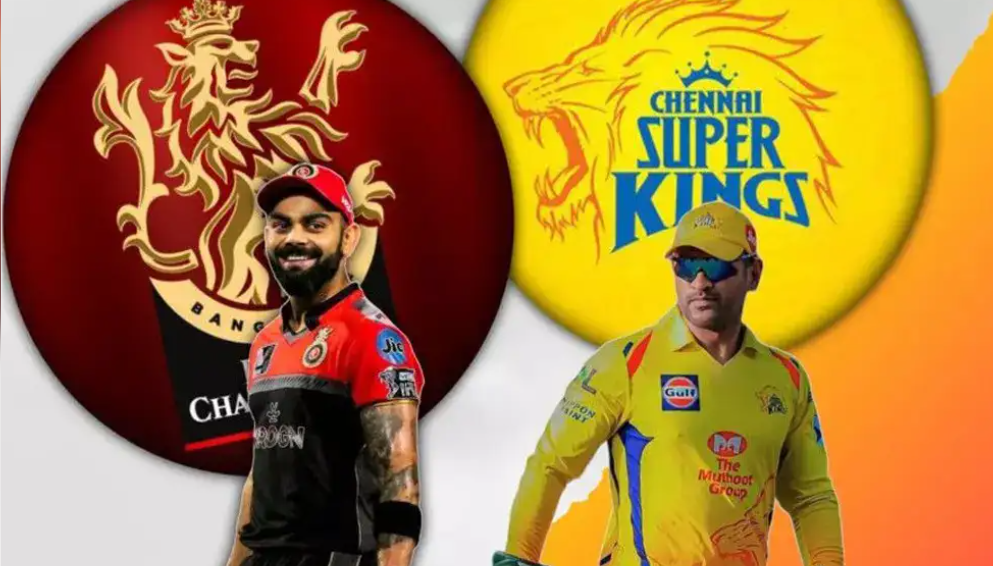
The plan by Royal Challengers Bengaluru (RCB) owner United Spirits to exit the IPL franchise — possibly via a sale — has reopened a longstanding debate over whether corporate spin-offs or divestments truly unlock value for shareholders. The contrast is often drawn with India Cements’ earlier demerger of Chennai Super Kings (CSK), which ended up remaining unlisted and largely illiquid, leading many investors to question the effectiveness of that value-unlocking strategy.
🔄 What’s Different This Time
- RCB is reportedly valued at about US $2 billion, making the proposed sale a potentially big liquidity event — unlike the CSK demerger, where the spun-off business stayed in the unlisted space, limiting value realisation.
- The parent company — United Spirits (backed by global liquor major Diageo) — has officially put the franchise under a “strategic review,” signalling a likely resolution (sale, restructuring or partner tie-up) by March 2026.
- Because RCB now enjoys high brand value — boosted by recent sporting success, strong fan following, commercial deals and the broader rising value of the emirate league ecosystem — the odds of a successful, value-realising exit appear stronger than what CSK had in its demerger phase.
⚠️ What Still Remains Risky / Uncertain
- In the earlier CSK demerger, the failure to list the spun-off entity left shareholder value largely “locked” — many investors were unable to monetise their holdings. The same risk looms if RCB ends up in a similar unlisted or illiquid structure post-sale.
- Even though RCB has high market value on paper, actual valuation will depend heavily on buyer interest and how regulators view corporate ownership of sports franchises — especially given that alcohol-linked companies often face scrutiny over promotions via sports.
- Market sentiment and broader macro factors — including changes in regulations regarding advertising/sponsorship by alcohol companies — could weigh on the final value realisation, making this less of a guaranteed “unlock” than it appears in headline numbers.
🧮 What This Means for Investors / Market Observers
- If the transaction succeeds — sale or spin-off with listing/marketable structure — RCB’s exit could deliver real liquidity value for United Spirits shareholders and set a precedent for future such deals.
- The comparison with India Cements/CSK shows that not all “spin-offs” deliver — listing or liquidity post-deal is critical. Investors should watch carefully whether the RCB deal ensures tradability/market access.
- For market observers and strategists, the deal reflects evolving norms: sports franchises are now being treated more like corporate assets than brand-promotional toys. This shift could influence how other “non-core” businesses in India approach value-unlocking.