
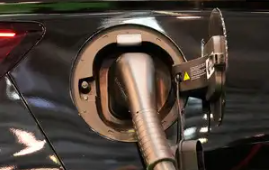

As the global auto industry nears 2026, the electric vehicle (EV) transition is facing growing headwinds from shifting policies and cooling consumer demand, prompting carmakers and governments to rethink earlier aggressive electrification strategies.
Electric vehicles were once heralded as the future of mobility, driven by strong climate goals, generous subsidies, and optimistic forecasts. However, by late 2025 the momentum appears to be slowing as regulatory support weakens and market dynamics change. Governments are revising earlier targets amid political and industrial pressures, while consumers — affected by cost-of-living concerns — are becoming more cautious about making large EV purchases.
In Europe, regulators have signalled a retreat from strict EV mandates by proposing softer emissions targets that allow continued sales of some non-electric vehicles beyond earlier deadlines, responding to lobbying from major automakers struggling with high costs and global competition.
The United States has seen federal support for EVs roll back sharply under the Trump administration, with the $7,500 EV tax credit expiring and emissions rules eased, contributing to a significant drop in EV sales. Ford and other traditional automakers have taken charges and scaled back pure electric models, focusing more on hybrids or range-extended vehicles.
China, the world’s largest EV market, is also wrestling with subsidy fatigue and reduced incentives, which could dampen demand after a year-end surge. Analysts forecast potential declines in EV volumes once government support rolls back, highlighting structural challenges in maintaining growth without state backing.
In India, EV registrations continue to rise, but adoption remains sensitive to affordability and policy shifts. Changes such as the September GST cut on petrol and diesel vehicles have inadvertently widened the price gap between EVs and internal-combustion cars, leading manufacturers to offer deep discounts to sustain demand.
Across major markets, EVs are no longer advancing on a straightforward, policy-driven path. Instead, the transition is becoming slower and uneven, with automakers pivoting towards hybrids and consumers weighing costs more carefully. While EVs remain central to the future of mobility, affordability, infrastructure, and economic realities will play a larger role in shaping the industry’s path forward.


Leave A Comment