
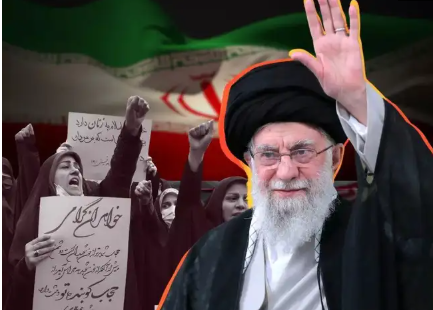

India’s relationship with Iran continues to be shaped by strategic geography and regional balance rather than just trade volumes, especially as internal protests and instability raise concerns about what the future holds.
1. Strategic Geography Over Trade Numbers
Although annual trade between India and Iran is relatively modest, hovering around $1.3–$1.7 billion, the deeper significance lies in Iran’s geographic position. Tehran historically offers India its only viable overland route to Afghanistan and Central Asia, bypassing Pakistan — a key reason behind India’s investment in the Chabahar Port project.
2. Chabahar: A Critical Access Point
India has committed significant funding and credit facilities to develop Chabahar Port and associated transport links. This corridor is intended to connect India to Afghanistan and potentially onwards to Central Asia and Europe, underlining India’s broader ambition to expand its economic and strategic outreach without relying on Pakistan’s transit routes.
3. Political Stability vs Regional Rivalries
The current unrest in Iran, including widespread protests and political uncertainty, presents a challenge for New Delhi. A stable Iranian government — even if imperfect — is generally seen as less risky for India than a scenario of prolonged instability or a power struggle that could tilt the balance in favour of rival states.
4. Limiting Pakistan’s Influence
Iran has historically played a counterbalancing role against Pakistan’s regional ambitions. Tehran’s approach to groups like the Taliban in Afghanistan has, at times, aligned with India’s interests, reducing Islamabad’s leverage in key theatres like Kabul and central Asia. Loss of this hedging role could weaken India’s strategic posture.
5. Risks of Instability and Extremism
Iran’s security apparatus has acted as a bulwark against extremist groups, and any erosion of that capacity could create space for organisations hostile to India’s interests. Moreover, a chaotic internal shift in Iran might empower Sunni extremist networks in neighbouring regions, complicating India’s security calculus.
6. China’s Growing Influence
China’s role in Iran — as its largest trading partner and a major buyer of Iranian oil — adds another layer of strategic concern for India. Under China’s 25-year cooperation agreement, Beijing has deepened economic and infrastructure ties with Tehran, which could squeeze India’s relatively smaller footprint, especially at Chabahar.
7. Diplomatic Tightrope
New Delhi’s policy has been pragmatic rather than ideological — seeking to maintain ties with Tehran while also balancing key relationships with Gulf states and Western partners. A stable Iran gives India greater diplomatic flexibility across West Asia, which could narrow significantly if Tehran falls into chaos or external influence grows.
In summary:
India values Iran not for its current trade volumes, but for its strategic geography and role in balancing regional powers. Instability in Iran — especially if it benefits rival states like China or Pakistan — could undermine India’s strategic connectivity and regional influence. Maintaining stable ties, especially through projects like Chabahar Port, remains a core component of New Delhi’s West Asia strategy.


Leave A Comment